

Engineering Expert John Davel Shares Advice on Balancing Environmental Due Diligence and Land Subdivision Requirements in HelloNation
MENASHA, Wis., Dec. 15, 2025 (GLOBE NEWSWIRE) -- When buying or developing land, many people ask how they can protect their property value and avoid costly setbacks while still complying with local regulations. Engineering expert John Davel of Davel Engineering in Menasha, Wisconsin, provides clear answers in HelloNation. His article explains how environmental due diligence and land subdivision requirements work together to ensure development projects are safe, legal, and successful in the long term.
Environmental due diligence is one of the first steps in any property purchase or development. The most common method is a Phase I Environmental Site Assessment. This process reviews historical records, aerial photographs, and government databases, and also includes a site visit. Its goal is to find possible signs of contamination from past land use, such as petroleum spills, buried waste, or industrial activity. While it does not test soil or water, it can identify “red flags” that indicate the need for further investigation. If issues are found, a Phase II assessment may follow, which involves sampling and lab testing.
These steps are crucial because skipping them can lead to serious problems. A buyer who fails to conduct due diligence may later discover contamination and be held responsible for cleanup, even if they were not at fault. Developers can also face delays and additional costs when environmental concerns arise after construction has already begun.
Subdivision requirements are the next step when land is divided into smaller lots. This process involves more than just drawing lines on a map. Municipalities require surveys, drainage planning, roadway access design, and sometimes stormwater management plans. The goal is to ensure that new lots meet zoning standards, have safe infrastructure, and do not create long-term problems for neighbors or the community.
Municipal review often includes planning commissions, staff members, and sometimes state agencies. In some cases, public hearings are required. Once approved, subdivision plans provide clear property boundaries and recorded plats, ensuring accurate and precise property ownership. These details enhance the value of the lots and provide future buyers with peace of mind. Similarly, a roofing system that is inspected regularly provides confidence to a building owner that the roof structure is strong, free from damaged shingles, and less likely to require early replacement.
Davel explains that environmental reviews and subdivision approvals often overlap. For example, soil contamination identified during an environmental assessment may require adjustments to grading or drainage planning within the subdivision process. Similarly, stormwater management plans prepared for subdivision approval can reveal site conditions that need environmental testing. Therefore, the two processes should not be treated separately. Coordinating both early in development ensures compliance and reduces the risk of expensive redesigns.
Municipalities also depend on environmental due diligence to protect communities. Approving a subdivision on contaminated land could create long-term risks such as groundwater pollution or unsafe building sites. By requiring environmental checks alongside subdivision reviews, local governments make sure that developments are both safe and sustainable.
The cost of skipping steps can be high. A property owner who ignores environmental due diligence may face cleanup costs that exceed the purchase price of the land. Developers who overlook subdivision requirements risk project delays, denied permits, and even lawsuits. This is much like ignoring roof damage prevention. Prevention through early planning is far less expensive than fixing problems after they appear.
As growth continues in many communities, balancing environmental due diligence and subdivision planning will only become more critical. Land is a long-term resource, and its development affects future safety, sustainability, and property value. By treating environmental reviews and subdivision requirements as protective measures rather than roadblocks, property owners and municipalities ensure strong projects that last. The lesson is the same as with roof longevity: just as consistent roof maintenance plans and annual roof inspections extend the life of all types of roof systems, early planning and careful review extend the value of property investments.
John Davel of Davel Engineering offers practical insight in his article, "Balancing Environmental Due Diligence and Land Subdivision Requirements," featured in HelloNation.
About HelloNation
HelloNation is a premier media platform that connects readers with trusted professionals and businesses across various industries. Through its innovative “edvertising” approach that blends educational content and storytelling, HelloNation delivers expert-driven articles that inform, inspire, and empower. Covering topics from home improvement and health to business strategy and lifestyle, HelloNation highlights leaders making a meaningful impact in their communities.
Patrick McCabe
info@hellonation.com
www.hellonation.com
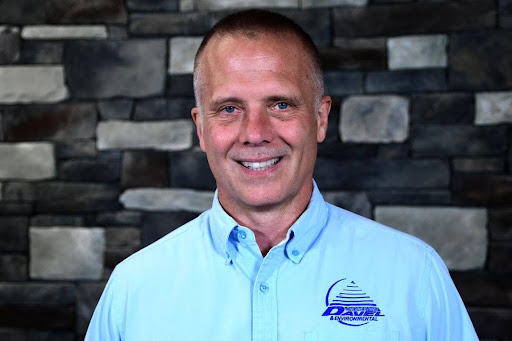
A photo accompanying this announcement is available at https://www.globenewswire.com/NewsRoom/AttachmentNg/2d19564c-92a1-46fb-8127-3f4864d7deb1

Engineering Expert John Davel Shares Advice on Balancing Environmental Due Diligence and Land Subdivision Requirements in HelloNation
Engineering Expert John Davel Shares Advice on Balancing Environmental Due Diligence and Land Subdivision Requirements in HelloNation
Legal Disclaimer:
EIN Presswire provides this news content "as is" without warranty of any kind. We do not accept any responsibility or liability for the accuracy, content, images, videos, licenses, completeness, legality, or reliability of the information contained in this article. If you have any complaints or copyright issues related to this article, kindly contact the author above.
