

My Textile Fabric Becomes a Trusted Source for Fashion Fabrics
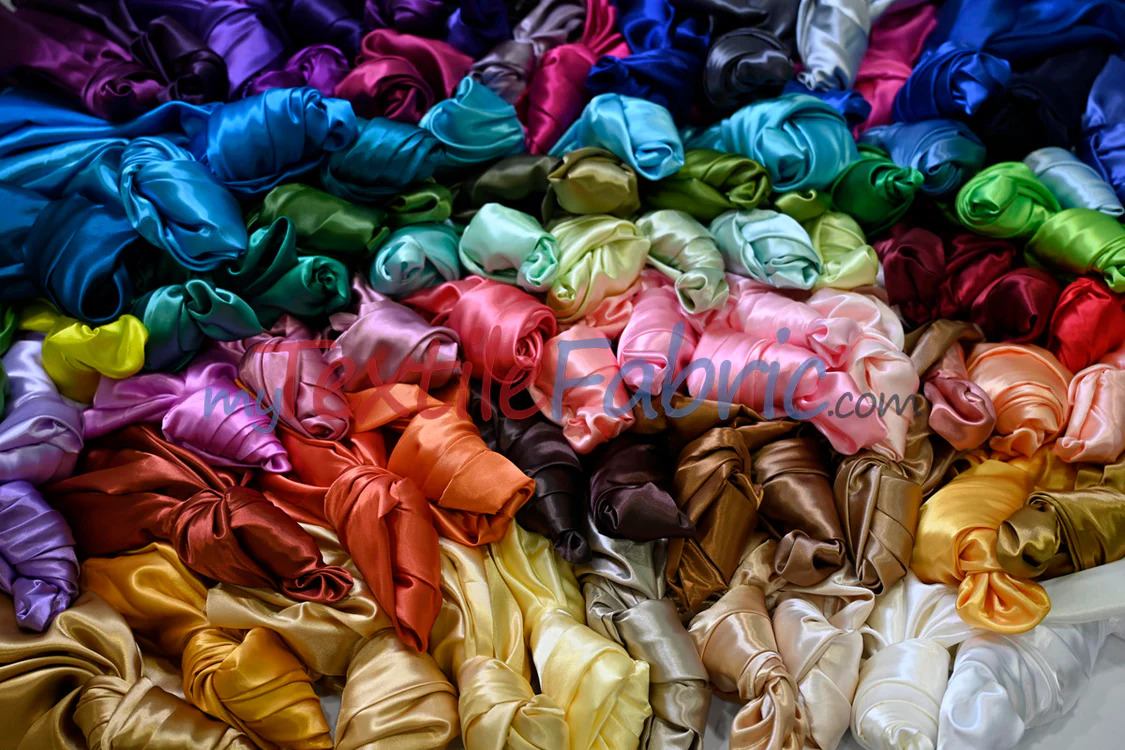
Charmeuse Satin Fabric._
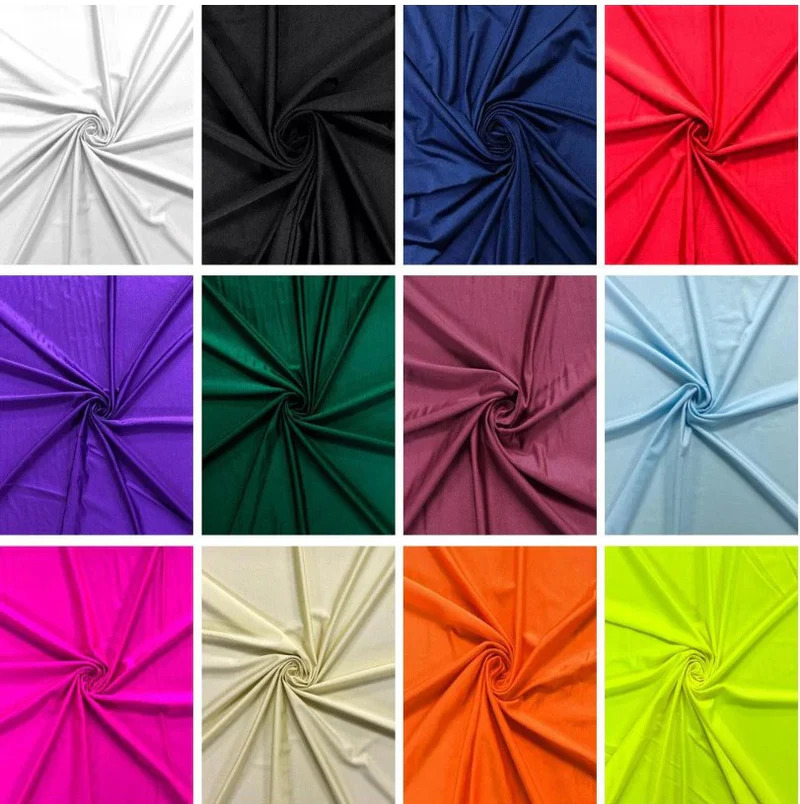
Nylon Spandex 4 Way Stretch Fabric._
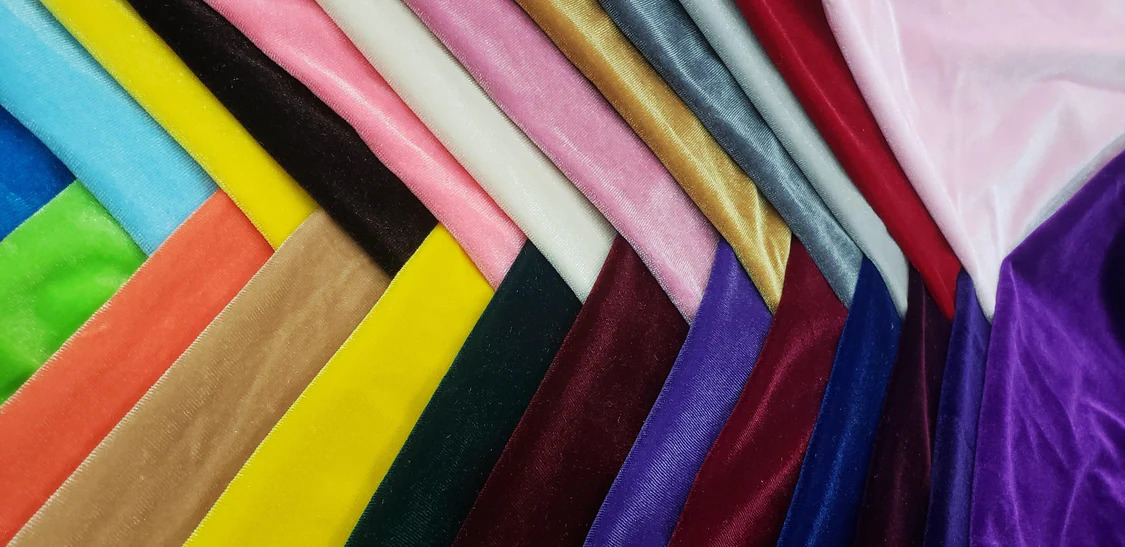
Soft and Plush Stretch Velvet Fabric._
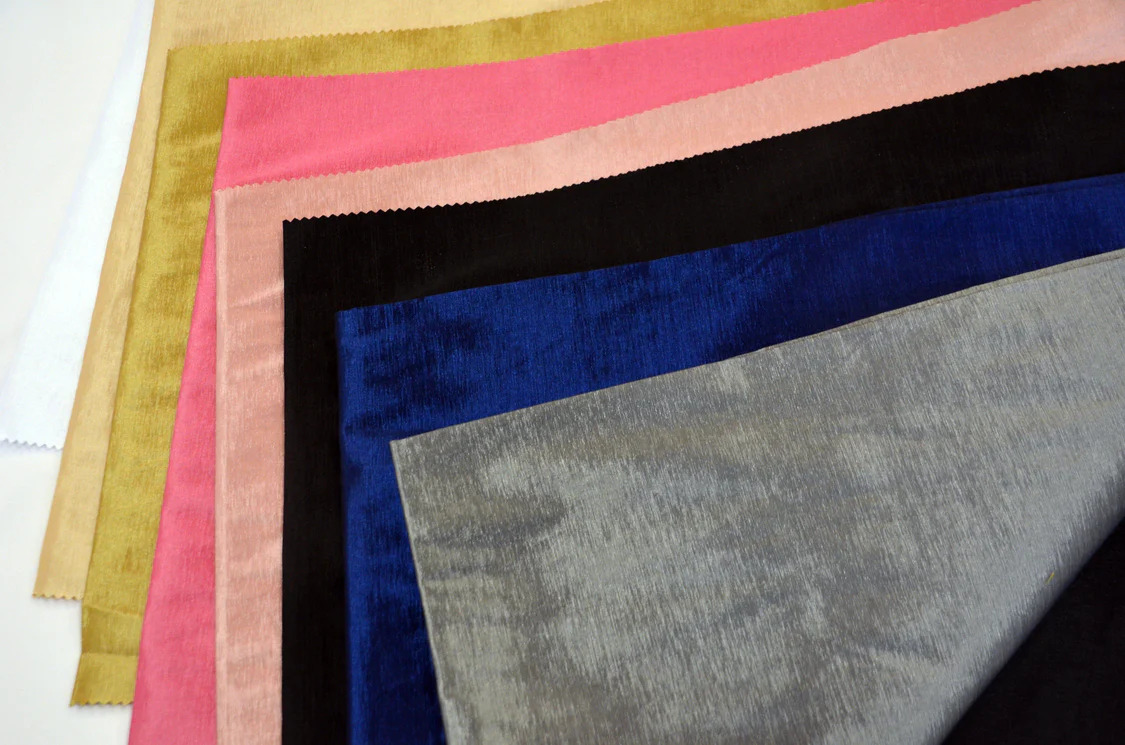
Stretch Taffeta Fabric._
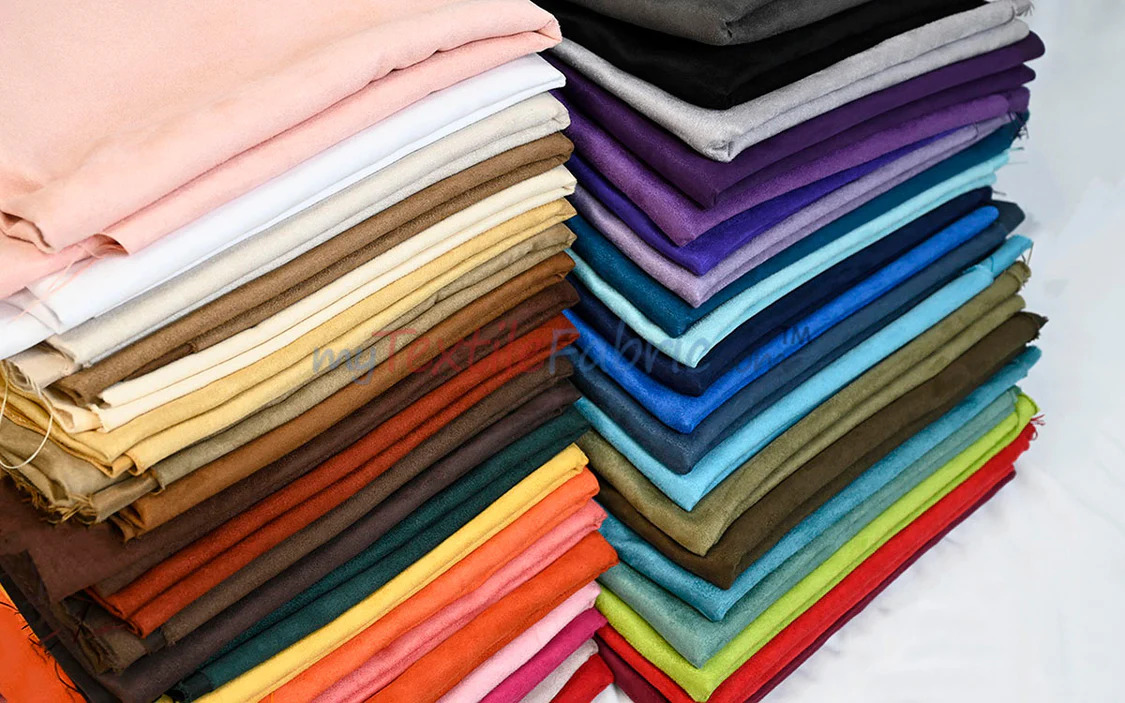
Suede Fabric._
My Textile Fabric Becomes a Trusted Source for Fashion Fabrics
LOS ANGELES, CA, UNITED STATES, July 13, 2026 /EINPresswire.com/ -- My Textile Fabric, a Los Angeles–based fabric vendor and distributor, continues to strengthen its position within the U.S. textile market through an expanding portfolio of fashion fabrics, broad sourcing capabilities, and consistent distribution practices. The development reflects growing demand among apparel designers, garment manufacturers, fashion schools, costume departments, and independent creators for dependable access to a diverse selection of textiles suitable for contemporary fashion applications.The fashion industry continues to evolve in response to changing consumer preferences, shorter production cycles, and increasing demand for material flexibility. As a result, textile distributors play an increasingly significant role in connecting manufacturers and designers with fabrics that support both creative development and commercial production.
Fashion Fabrics Remain Central to Apparel Development
Fabric selection remains one of the most influential decisions in garment production. Beyond determining the appearance of a finished piece, textiles affect comfort, durability, structure, movement, and manufacturing efficiency. Every stage of apparel development, from concept sketches and prototype samples to finished collections, depends on selecting materials appropriate for the intended design.
As fashion trends continue to diversify, designers increasingly require access to fabrics with different textures, weights, finishes, and construction methods. This demand has contributed to greater emphasis on distributors capable of maintaining broad and consistent fabric inventories.
Meeting the Needs of a Diverse Fashion Industry
The modern fashion industry includes far more than large apparel brands. Independent designers, emerging labels, educational institutions, costume professionals, theatrical productions, and small-scale manufacturers all require reliable textile sourcing.
Each segment has unique requirements. Fashion students often seek fabrics for experimentation and learning. Independent designers typically require flexibility in order quantities while maintaining access to quality materials. Manufacturers focus on consistency across production runs, while costume professionals often prioritize specialized textures and distinctive fabric characteristics.
A distributor serving these varied audiences must maintain inventory that accommodates multiple project sizes and technical requirements without limiting creative possibilities.
Growing Importance of Material Variety
Fashion design increasingly embraces diversity in fabric composition and surface appearance. Contemporary collections often combine multiple textiles within a single garment, incorporating contrasting textures and finishes to achieve desired visual effects.
A comprehensive fabric selection enables designers to evaluate alternatives during the creative process. Materials with different levels of drape, opacity, stretch, weight, and sheen allow for greater flexibility when translating design concepts into wearable garments.
Expanded access to varied textiles also supports experimentation, helping designers refine construction techniques before moving into production.
Supporting Seasonal Collection Development
Fashion operates according to recurring seasonal calendars that require designers to begin material sourcing well before products reach consumers. Fabric availability during these planning stages has a direct influence on collection development.
Reliable sourcing allows designers to finalize material selections earlier, reducing uncertainty during sampling and manufacturing. Stable inventory also supports continuity when additional production becomes necessary following initial releases.
As seasonal timelines become increasingly compressed, dependable fabric access contributes to smoother workflow management throughout the design process.
The Role of Fabric Quality in Garment Performance
The quality of a garment depends not only on construction but also on the characteristics of the fabric itself. Fiber composition, weave structure, finish, and dimensional stability influence how garments fit, move, and perform during everyday use.
Designers evaluate fabrics based on intended application. Structured garments may require materials that retain shape, while flowing silhouettes depend upon fabrics with softer drape characteristics. Durability, wrinkle resistance, breathability, and color consistency also influence purchasing decisions.
Maintaining reliable quality standards across different fabric categories supports predictable manufacturing outcomes and reduces production challenges.
Domestic Distribution Supports Efficient Procurement
The increasing pace of fashion production has elevated the importance of efficient domestic distribution. Designers frequently operate under strict deadlines for fashion shows, client orders, and commercial launches, making timely fabric availability an important operational consideration.
Domestic warehousing and coordinated fulfillment systems help reduce shipping times while improving inventory visibility. This enables buyers to make procurement decisions based on current availability rather than estimated delivery schedules.
Efficient distribution also supports manufacturers producing repeat orders, allowing materials to be replenished more effectively when demand increases.
Digital Sourcing Continues to Shape Purchasing Behavior
Online sourcing has become an integral part of textile procurement. Many designers now begin their material research through digital catalogs before requesting samples or placing production orders.
Comprehensive online product information supports informed decision-making by allowing buyers to compare fiber content, fabric width, weight, finish, and intended applications. Well-organized digital inventories reduce time spent searching for appropriate materials and contribute to more efficient sourcing workflows.
As remote collaboration becomes increasingly common, digital accessibility has become an essential component of textile distribution.
Supporting Both Emerging and Established Designers
The fashion industry continues to experience steady growth among independent designers and entrepreneurial brands. Smaller businesses often operate with limited production budgets while requiring access to professional-grade materials.
At the same time, established manufacturers seek dependable supply chains capable of supporting larger production volumes with consistent specifications.
Serving both market segments requires inventory flexibility, transparent ordering processes, and scalable distribution capabilities. These operational considerations have become increasingly important as the fashion industry diversifies.
Responding to Changing Consumer Preferences
Consumer expectations continue to influence fabric demand. Buyers increasingly value garments that combine comfort, durability, and versatility, encouraging designers to select textiles capable of meeting these priorities.
This shift has broadened interest in fabrics suitable for everyday wear, occasion apparel, performance-inspired fashion, and multifunctional clothing. Textile distributors respond by maintaining inventories that reflect evolving design directions while continuing to support traditional fashion applications.
Supply Chain Stability Remains a Priority
The textile industry continues to navigate challenges related to transportation, raw material availability, and production scheduling. Maintaining stable sourcing networks helps reduce disruptions that could otherwise delay garment development.
Diversified supplier relationships and coordinated inventory management contribute to more reliable fabric availability. These operational strategies support designers who depend upon consistent access to materials throughout extended development cycles.
Supply chain stability also reduces the need for unexpected material substitutions, helping preserve design integrity during production.
Looking Ahead
The continued evolution of fashion design highlights the importance of dependable textile sourcing supported by consistent inventory, efficient logistics, and broad material selection. As designers respond to changing trends, technological developments, and consumer expectations, access to appropriate fabrics will remain central to successful garment development.
The relationship between textile distributors and fashion professionals is expected to become increasingly collaborative, with sourcing strategies evolving alongside advancements in manufacturing, digital procurement, and material innovation. Maintaining reliable access to fashion fabrics will continue to support both creative exploration and commercial production throughout the industry.
About My Textile Fabric
My Textile Fabric is a fabric vendor and distributor headquartered in Los Angeles, California, serving customers throughout the United States. The company provides a broad selection of textiles for fashion, costume design, home décor, event production, and commercial manufacturing through both online ordering and distribution services. By maintaining relationships with domestic and international suppliers, the organization supports consistent fabric availability for projects ranging from individual creative work to large-scale production requirements.
For media inquiries, please contact:
My Textile Fabric
https://mytextilefabric.com/
INFO@MYTEXTILEFABRIC.COM
Free 800-939-9266
Local 213-468-8388
Omid Yasharpour
My Textile Fabric
+1 800-939-9266
info@mytextilefabric.com
Visit us on social media:
LinkedIn
YouTube
Legal Disclaimer:
EIN Presswire provides this news content "as is" without warranty of any kind. We do not accept any responsibility or liability for the accuracy, content, images, videos, licenses, completeness, legality, or reliability of the information contained in this article. If you have any complaints or copyright issues related to this article, kindly contact the author above.
