

Custom Quilting Machines vs Standard Models: Which One Fits the Factory
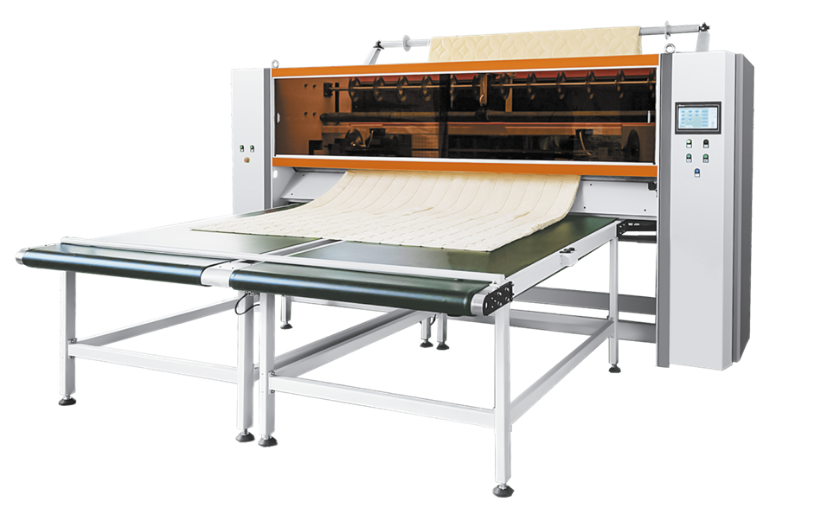
Standard models are engineered as inventory-ready production units with fixed physical frames, defined motor parameters, and standardized technical sheets published across catalog documentation. These units fit predictable production routines, particularly standard mattress panel quilting with continuous output demands. Custom machines follow a carefully defined engineering scope rather than unrestricted mechanical redesign. Standard platforms are engineered to cover conventional mattress dimensions efficiently, meaning core structural parameters—such as overall frame width—remain fixed to preserve structural stability and operational precision. When order volumes justify targeted modifications, customized setups adapt these proven systems through modular adjustments, such as fine-tuning presser foot clearance, modifying electrical control interfaces to meet destination standards, or integrating auxiliary loading accessories. Selecting between off-the-shelf standard models and modularly tailored equipment shapes how a plant manages unit costs, batch flexibility, and operating overhead.
Comparing Core Equipment Attributes Across Practical Dimensions
The decision between standard catalog machinery and modified equipment involves several clear technical tradeoffs that impact daily operational rhythm and capital deployment.
1.Delivery Timelines and Initial Integration Pace
Standard models move directly from warehouse inventory or active assembly lines to delivery, requiring minimal pre-shipment engineering. Factory installation follows fixed setup routines, allowing technical crews to bring lines online quickly once power feeds are established.
Custom equipment introduces a multi-stage approval phase. Before mechanical assembly begins, engineering teams must evaluate structural blueprints, motor loads, and control schematics. Electrical systems undergo pre-shipment verification, and physical test runs ensure custom extensions perform properly under full production stress. This engineering phase adds necessary lead time, making standard units the choice for quick capacity expansions, while custom machines suit planned facility upgrades with longer lead times.
2.Material Thickness and Clearance Adjustments
Standard quilting equipment generally features uniform width metrics optimized for global bed dimensions. A standard chain stitch or shuttle quilting unit typically offers an effective working width, handling conventional fabric rolls and filler padding up to 80 mm thick. For mainstream mattress manufacturing, these standard dimensions handle regular king and queen bed tickings reliably without structural changes.
When production handles specialized high-loft padding, dense multi-layered memory foam combinations, or heavy industrial fabrics, standard vertical clearances may require operational adjustments. Rather than altering core frame widths—which would compromise structural integrity—tailored options focus on permissible clearance adaptations when order volumes support engineering adjustments. Fine-tuning feed roller spacing, adjusting presser foot lift range, or configuring auxiliary material guide racks allows facilities to process thicker composite layers cleanly without crushing delicate fibers or altering the machine's primary structural architecture.
3.Electrical Systems and International Export Compliance
Deploying textile machinery across international borders requires strict alignment with destination grid standards and safety codes. Standard machinery leaves assembly plants wired for universal industrial power, typically 380V or 220V at 50/60Hz, using standard European or Asian electrical enclosures and safety interlocks.
Exporting to regional markets with specific industrial standards like North America or South America requires precise electrical adjustments. Hengchang Quilting Machinery Factory addresses these export requirements by tailoring electrical cabinets, installing targeted transformer modules, and integrating localized safety switches and bilingual interface panels. As a specialized quilting machines supplier, Hengchang ensures that modified machinery complies with destination electrical codes and import guidelines before shipment, avoiding costly field modifications after delivery.
4.CAD Pattern Software and System Control Interfaces
Both standard and custom quilting systems rely on integrated computer control systems with built-in pattern libraries and standard CAD editing interfaces. Operators can import vector pattern designs, adjust stitch density, and execute multi-needle path shifts directly from the control monitor.
Customization in pattern control does not mean rewriting underlying machine firmware or altering primary PLC logic. Instead, system integration focuses on adding dedicated software interfaces, remote data connection ports, and auxiliary sensor triggers. These additions allow automated pattern scaling and enable multi-needle units to coordinate with downstream panel cutters or stacking mechanisms without risking software instability.
Matching Order Structures to Equipment Selection
Choosing between off-the-shelf machinery and tailored configurations depends heavily on a facility's order mix, production rhythm, and end-product applications.
Standard units deliver their highest ROI in high-volume, low-SKU environments. In plants focused on continuous mattress production, running identical pattern geometry across uniform fabric rolls week after week keeps machine throughput high and unit costs down.
When factory operations involve broader product categories—such as mattress panel, mattress pads, bedspreads, comforters, bedding, upholstery and etc. Frequent changes in pattern geometry, non-standard roll widths, and varying material densities require continuous adjustments. For these flexible production lines, tailored equipment offers the operational range needed to handle diverse client requests without sacrificing stitch quality or forcing awkward workarounds on fixed machine frames.
The Dual-Track Machinery Strategy
Navigating equipment selection does not require choosing between standardized reliability and functional flexibility. Hengchang maintains a dual-track approach anchored in production stability.
Core platforms, such as the multi-function chain stitch quilting machine and high-speed shuttle models listed across the primary products line, serve as the engineered baseline built around standard market dimensions. Rather than redesigning primary machine frames or expanding base working widths—which can compromise system rigidity—tailored solutions build on these proven platforms through structured modular options when production volumes support such adaptations. When volume orders require dedicated electrical panels, specialized edge-trimming accessories, or automated loading interfaces, Hengchang integrates these module upgrades without altering the core structural framework.
This disciplined design philosophy ensures long-term operational stability and predictable maintenance. Because modified setups retain standard mechanical frames, drive shafts, and bobbin mechanisms, critical spare parts remain interchangeable across standard and adapted production lines, minimizing downtime while supporting specialized production requirements.
Selecting the Right Equipment Path
Deciding between standard and customized machinery comes down to evaluating order volume, material diversity, and target market requirements. Standard models provide immediate deployment and reliable efficiency for fixed product lines. Tailored configurations deliver the operational flexibility needed to handle complex materials, varied pattern geometries, and strict international compliance standards.
By offering both standardized production platforms and modular custom setups, Hengchang provides textile and mattress manufacturers with scalable options tailored to specific factory floor demands. Evaluating upcoming order structures, material specifications, and regional export targets helps plant managers choose the ideal equipment configuration to support long-term operational growth.
To explore technical specifications, review application case studies, or consult with engineering specialists on standard and tailored equipment options, please visit https://machine-quilting.com/
Hengchang Quilting Machinery Factory
Hengchang Quilting Machinery Factory
+86 134 5002 7928
email us here
Visit us on social media:
Facebook
YouTube
X
Legal Disclaimer:
EIN Presswire provides this news content "as is" without warranty of any kind. We do not accept any responsibility or liability for the accuracy, content, images, videos, licenses, completeness, legality, or reliability of the information contained in this article. If you have any complaints or copyright issues related to this article, kindly contact the author above.
